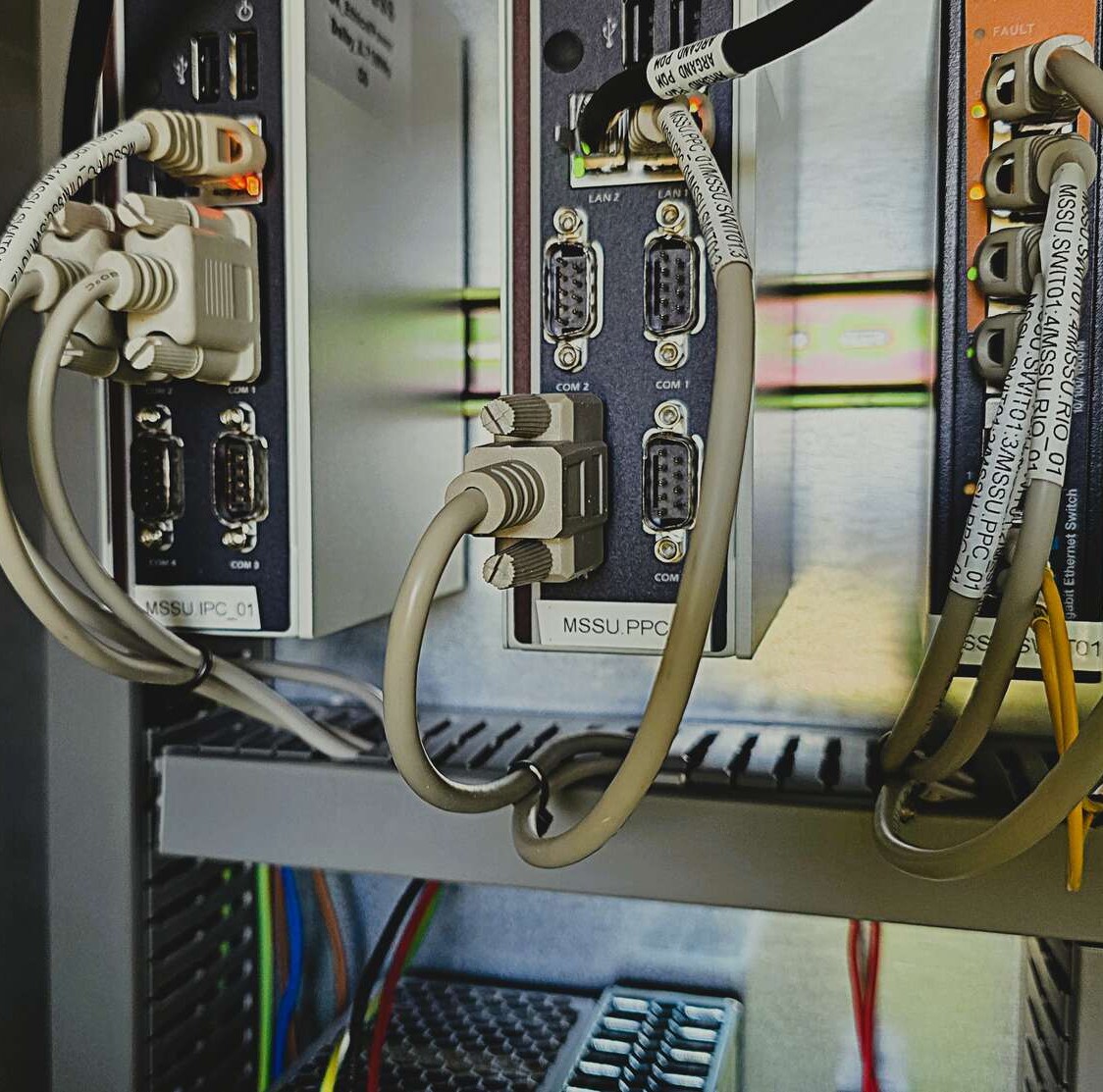
A week doesn’t go by without hearing how battery energy storage systems play a growing, critical role in securing and balancing the grid in real-time. In fact, National Grid ESO forecasts, by 2030, battery demand will be four to five times greater than today, leading to a surge in grid-connected battery assets.
However, grid scale batteries are far from plug and play. The road to successful integration is mired with pitfalls (as we’ve learnt first-hand) and even the most advanced battery energy storage systems can suffer from inefficiencies, underperformance, and unexpected failures, translating into lost revenue, operational disruptions, and missed market opportunities.
This blog post examines how effective asset integration is the key to unlocking the true potential of battery energy storage systems, ensuring that batteries not only function but excel in delivering value across key market services. How, beyond market participation, seamless integration is also essential for predictive maintenance and maximising overall revenue generation.
Battery Storage Integration and Market Participation
After installing a battery on a site, it needs to be integrated into various marketplaces to begin deploying its various services. The asset integrator ensures seamless connection between the battery, the dispatch platform, and the grid, enabling full participation in energy markets (i.e. wholesale, ancillary, frequency response and the Balancing Mechanism). This integration is achieved by establishing clear communication using appropriate protocols, such as Modbus and MQTT, with SCADA systems acting as the centralised control platform to manage and coordinate the entire process.
A well-integrated system allows for real-time monitoring, automated decision-making, optimised energy dispatch and compliance with regulatory standards is maintained – all of which is crucial for the long-term success in such a complex and fast moving market.
Why Effective Asset Integration Matters & how it maximises profitability
Faster Response to Market Signals
Battery energy storage systems are renowned for the swiftness of their response to market and grid signals, ensuring optimal participation in market services like frequency response markets, where power is at a premium. For instance, National Grid ESO requires rapid delivery response times for its Dynamic Frequency Services:
Dynamic Containment: 1-second response
Dynamic Moderation: 1-second response
Dynamic Regulation: 10-second response
A properly integrated battery energy storage system with seamless communication ensures these response times are met, allowing operators to capture high-value market opportunities. It means also that all necessary parameters are communicated with the right scaling and unit to meet different market requirements, thereby unlocking the battery energy storage system’s full revenue potential.
Battery life longevity
Poor integration however, can lead to inefficient battery energy storage system cycling, negatively impacting the State of Charge (SoC) and Depth of Discharge (DoD), both of which are critical for maintaining battery longevity and warranty compliance. Battery manufacturers set strict conditions regarding cycle life, and failing to adhere to these can result in premature degradation and loss of warranty - and by the way, negotiate hard on the warranty conditions you need.
Ensuring the SoC is accurately calculated and then transmitted to the VPP environment means that not only can operators trade accurately (vital!) but also can manage battery cycles effectively, preventing excessive wear and maximising the system’s lifetime value.
Predictive Maintenance & Reduced Maintenance Costs
An effective integration enables continuous monitoring of key battery energy storage system parameters, such as State of Energy (SoE), voltage, etc., within the VPP environment. This real-time data allows for predictive maintenance, identifying potential faults before they lead to system failures.
As a result, downtime is minimised, costly unplanned maintenance is reduced, and predictive analytics allow operators to proactively address issues, improving operational efficiency, asset reliability, and lifespan.
Best Practices for Seamless Battery Asset Integration
What do we at Smart Grid consider good practice in this space?
Properly map the Modbus register for all necessary parameters (state of charge, voltage, active power, reactive power, frequency, etc.) with the right scaling, unit and decimal precision, then validate data accuracy using real-time diagnostics.
Implement seamless communication protocols by using reliable networking methods (RS485, Modbus TCP/IP, Ethernet) for stable and secure data flow and ensure low latency in communication.
Optimise data collection for market participation by ensuring the battery energy storage system collects and transmits relevant operational and performance data required for successful participation in various energy markets.
As mentioned above, enable predictive maintenance features by setting up continuous condition monitoring to detect early signs of failure. Automating alerts for abnormal temperature, voltage, performance trends, etc., will ensure timely intervention and reduce costly unplanned downtime.
Ensure seamless configuration and installation of control devices. We can easily integrate with different battery models and offer secure and reliable data transmission to our platform, enabling real-time control with microsecond precision to ensure the timely dispatch of assets and critical monitoring.
We hope we’ve shown how crucial effective asset integration is and how, with predictive maintenance, operators can optimise system performance and market participation.
If you have any questions about asset integration or would like any more detail on the points raised then feel free to reach out to our team.